
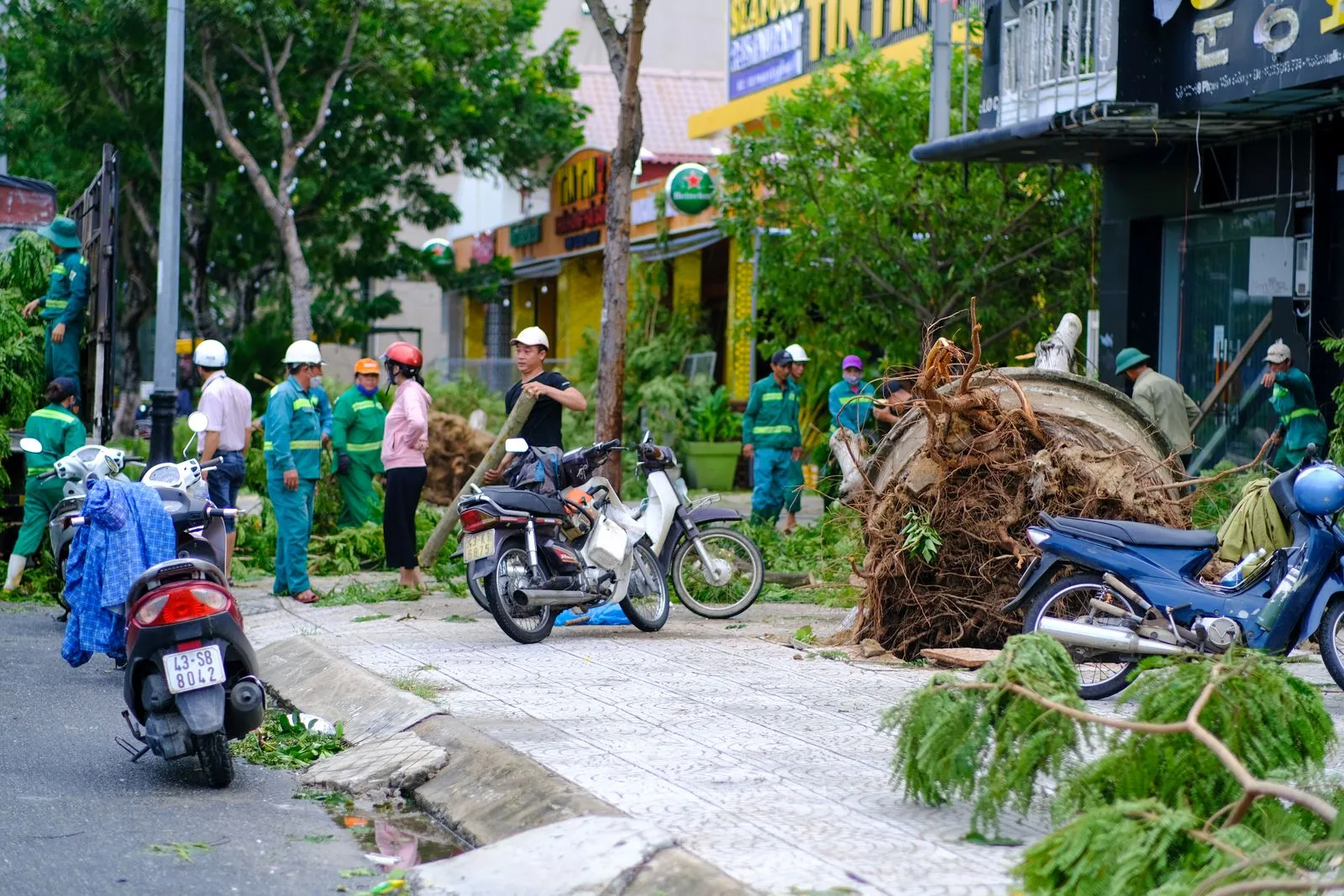
Tree removal is a planned job, not simply a matter of cutting down a trunk. A professional crew first checks the tree and its surroundings, then prepares the work area, removes the tree in controlled stages, and clears the resulting debris. Knowing what each step involves can help you prepare your property, ask useful questions, and understand why a removal may take more care than expected. Here’s how a typical job unfolds.
Assessment and work plan
Before work begins, the crew examines the tree’s condition, size, lean, and position. They also look for nearby buildings, fences, driveways, gardens, and overhead or underground services that could affect the job. This assessment helps determine whether the tree can be felled in one piece or needs to come down in smaller sections.
Ask what the quoted work includes, such as stump grinding, removal of logs, and disposal of branches. Confirm how the crew plans to protect nearby surfaces and plants, and whether you need to arrange access or move vehicles. A clear plan helps avoid surprises once equipment arrives.
Preparing the work area
On the day, the crew establishes a controlled work zone around the tree. They may use cones, barriers, or signs to keep household members, visitors, and passersby away from falling limbs and moving equipment. Keep children and pets indoors or well outside the marked area, and follow any directions from the crew.
Move cars, outdoor furniture, garden tools, and other items that could block access or be damaged. Let the crew know about gates, fragile paving, irrigation lines, or other features they may not see. If the tree is near a power line, do not approach or touch it; the work plan must account for that hazard.
Removing the tree safely
The removal method depends on the tree and the available space. Where there is room and conditions allow, a crew may cut the tree so it falls into a designated area. In tighter spaces, workers commonly remove branches and sections of the trunk in stages, lowering pieces carefully to limit the risk of impact.
Expect noise from saws and machinery, along with workers moving around the site. The crew should maintain the work zone throughout the job and use appropriate equipment for the task. Avoid entering the area to take a closer look; wait until the crew confirms that it is safe.
Debris, stump, and final check
After the tree comes down, the crew typically sorts and handles branches, leaves, and trunk sections according to the agreed scope. They may chip smaller material, cut larger pieces into manageable lengths, or load debris for removal. If you want to keep firewood or mulch, agree on where it should be placed before the work starts.
Stump work is often a separate step, so check whether grinding or removal is included. Grinding can leave wood chips and does not necessarily remove every root. Before the crew leaves, review the cleared area, confirm what material remains, and ask about any follow-up care needed for the site.
A smooth tree removal starts with a clear assessment and continues with careful site preparation, controlled cutting, and cleanup that matches the agreed scope. Before booking, confirm access, debris handling, and stump work so everyone knows what to expect. Melbourne Tree Crew can talk through the steps for your property and help you plan the work.